£2.9m seed backs AI agents automating enterprise maintenance and Rust rewrites

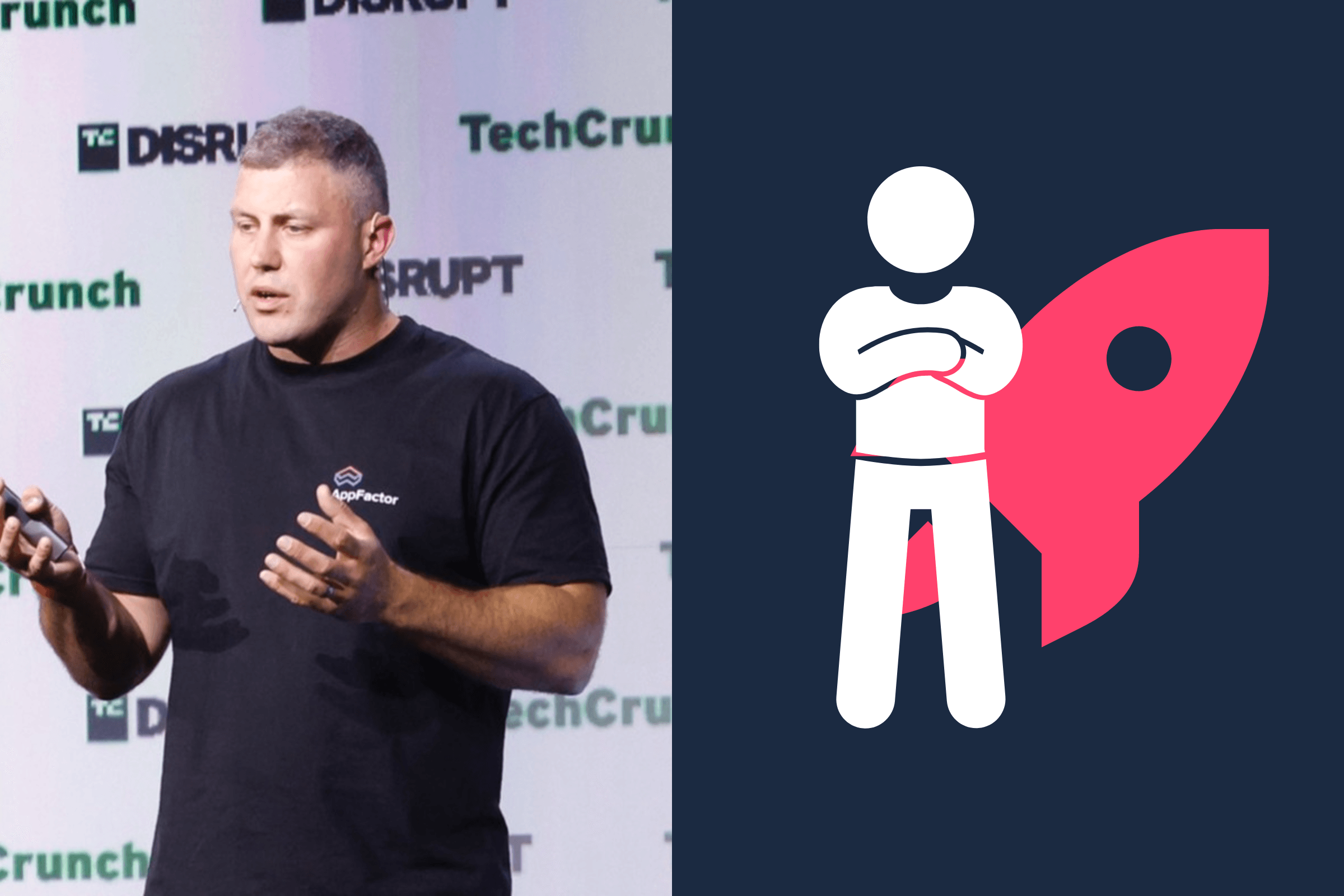
This article covers AppFactor, a London-based AI startup, which has raised £2.9m in a seed funding round led by Tensor Ventures with participation from Begin Capital, Adara Ventures and Narwhal Investments. The funding will be used to accelerate go-to-market activity and extend AppFactor's agentic orchestration platform to automate discovery, remediation and deployment of enterprise applications, targeting enterprises seeking to reduce technical debt and maintenance overhead.
AppFactor, a London-based AI startup, has raised £2.9m ($4m) in a seed funding round led by Tensor Ventures, with participation from Begin Capital, Adara Ventures and Narwhal Investments. The investment will be used to accelerate go-to-market activity and extend AppFactor’s agentic orchestration platform, which the company says automates the discovery, regeneration and deployment of enterprise applications — effectively turning software maintenance into an autonomous process.
Why it matters
Enterprises spend large portions of engineering time on maintenance, vulnerability fixes and migration work that does not directly produce new features. AppFactor targets that backlog with a platform designed to autonomously find and fix issues across codebases and infrastructure, potentially shortening lengthy modernization projects. For large regulated organisations with legacy systems, tools that can safely reduce technical debt and lower cloud costs are commercially attractive.
Inside the product
AppFactor positions itself not as a coding assistant but as an orchestration layer of specialised AI agents that operate across repositories, workloads and infrastructure. Key capabilities described by the company include:
- Dynamic discovery that maps where software actually runs and identifies vulnerabilities, code smells and misconfigurations in real time.
- Autonomous remediation workflows that propose fixes, generate and execute system-level tests, verify performance and roll changes via progressive delivery.
- An approach to large-language-model-driven code actions that attaches human-readable success criteria and audits every change through existing pull-request and approval gates.
- Autonomous code regeneration into Rust for performance and security gains, with integrated test generation to reduce migration overhead for legacy or compute-heavy workloads.
The platform is cloud-agnostic and designed to work with existing engineering pipelines so that autonomous changes pass through the same review and deployment processes as human-written code.
Who are the investors?
The £2.9m seed was led by Tensor Ventures, with participation from Begin Capital, Adara Ventures and Narwhal Investments. The round will fund go-to-market expansion and further development of autonomous refactoring features, including the company’s Rust regeneration tooling.
Ondřej Lipold, one of the partners at Tensor Ventures, commented on the company’s approach:
We have been in the advanced software field for two decades, but we have never seen a company that could monitor, modernize, and then deploy updates to functioning applications without impacting the end users. This is a real game changer in the field of Software 3.0.
Begin Capital’s Saagar Bhavsar framed the market opportunity around enterprise technical debt:
Every large, complex enterprise like financial services, healthcare, retail, or manufacturing, needs AI and modern technology to compete,
But legacy sprawl stands in the way. AppFactor’s self-modernizing platform tackles the 1.5 trillion dollar technical debt problem holding these companies back, letting them unlock AI capabilities across their entire software estate, legacy systems included, today.
If you're researching potential backers in this space:
- Explore our list of AI venture capital firms in the UK
- Browse our directory of AI angel investors in the UK
Founder perspective
Keith Neilson, CEO of AppFactor, said the platform aims to reallocate engineering effort from maintenance to innovation:
Enterprises have brilliant engineers spending the majority of their time maintaining the past instead of inventing what’s next. AppFactor changes that by turning software upkeep into an autonomous, closed-loop process.
With the AppFactor Agentic Orchestration Platform handling maintenance, teams move much faster on the initiatives that grow the business.
The company says the new funding will be used to scale commercial efforts and continue building autonomous refactoring and deployment features.
The bigger picture
AppFactor’s pitch sits at the intersection of two clear trends: growing interest in AI-driven developer tooling and increasing pressure on enterprises to modernise legacy estates without long, risky migration projects. The focus on Rust rewrites and automated, auditable remediation responds to real operational pain — but it also requires deep platform integration and strong safety controls before widespread adoption.
This deal is another sign that AI-focused infrastructure startups remain attractive to investors backing technology that reduces operational overhead in large organisations. For UK and European enterprises wrestling with technical debt and cloud spend, tools that can automate safe, auditable maintenance and modernization will be watched closely as pilots turn into production usage.
They've invested in AppFactor
Get to know these AI investors



Click here for a full list of 7,526+ startup investors in the UK