Fivium secures BGF backing to digitise public-sector casework with AI-powered eCase SaaS

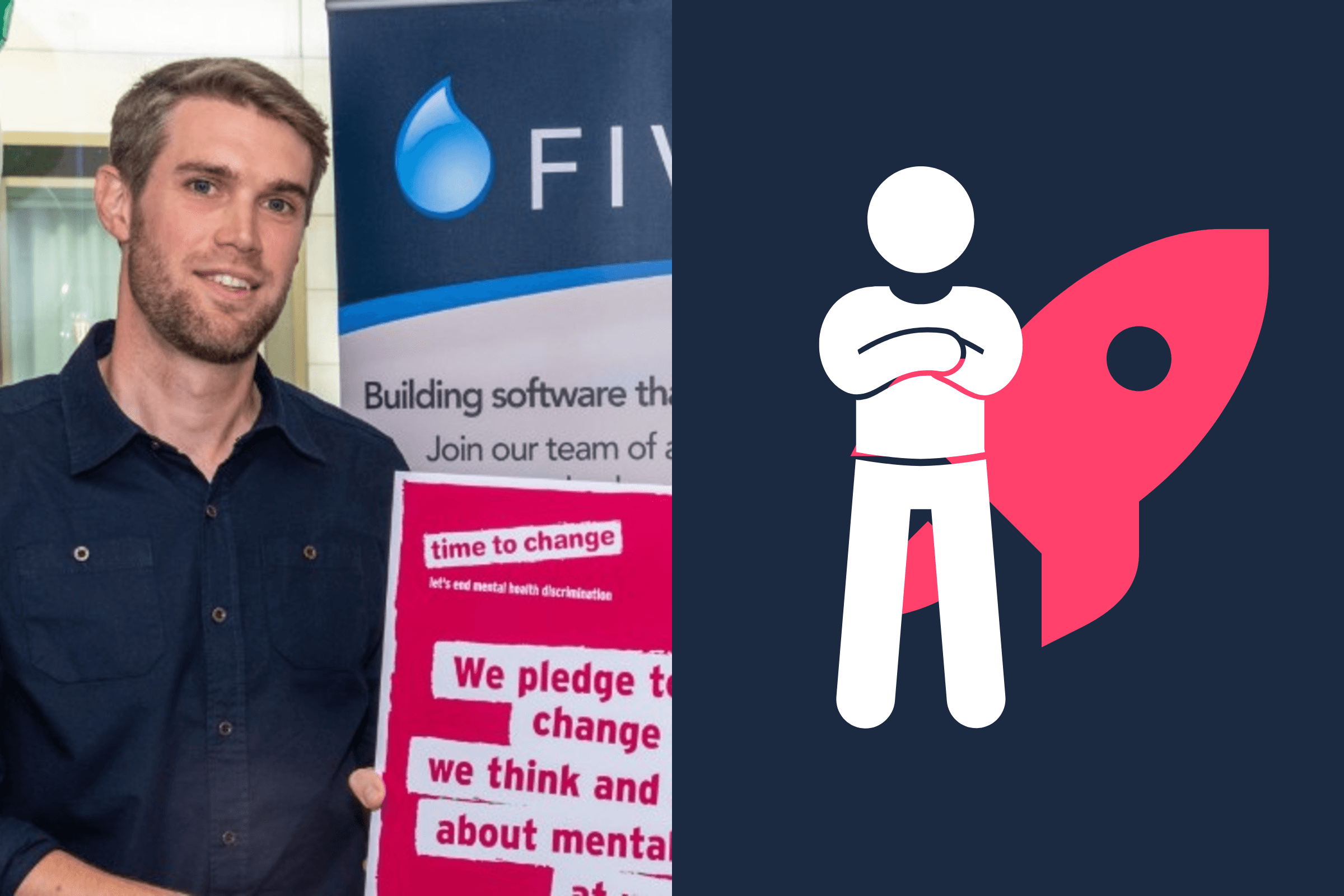
This article covers Fivium, a SaaS startup, securing a growth investment from BGF to scale its eCase platform and accelerate product and AI development. The funding is intended to support rollout across UK public-sector users, including healthcare and policing, and to modernise administrative and regulatory casework for government bodies.
Fivium has taken a new step in scaling its public sector software after securing an investment from BGF in a growth funding round. The deal will be used to expand the company’s eCase SaaS platform, accelerate product development including AI work, and push further into areas such as healthcare and policing — a move that matters for the UK’s broader effort to digitise administrative and regulatory processes.
Why it matters
Local and national government bodies face rising demand for digital systems that can manage casework, handle freedom of information requests and process data-protection workflows while remaining auditable and transparent. Fivium’s platform targets that core administrative layer. Private capital from BGF signals continued investor appetite for companies that help public services modernise without replacing existing bureaucratic structures.
The investment also arrives as public services look to embed AI into operational tooling. If routed sensibly, such funding can help public-sector technology suppliers add automation and better case triage while meeting regulatory and governance requirements.
Inside the product
Fivium’s flagship product, eCase, is a configurable case management system used across Data Protection, Freedom of Information and citizen engagement workflows. The platform is positioned to manage complex administrative and regulatory processes rather than provide point solutions, which is important for government organisations that need audit trails and policy-compliant records.
The company says the funding will support further SaaS development, investment in AI capabilities to improve efficiency and the hiring of technical and delivery staff to support rollout across more UK public-sector customers.
Who are the investors?
BGF is the sole named investor in this round and will act as a long-term minority backer. As part of the deal, Simon Russell has been appointed Non-Executive Chair through BGF’s Talent Network, a programme that places experienced executives on the boards of its portfolio companies.
The investment is described as aimed at strengthening Fivium’s go-to-market motion and product roadmap, and at enabling expansion into adjacent public-sector areas such as healthcare and policing. BGF’s stated role is hands-on growth support rather than takeover of control, reflecting its typical model of minority, long-term investments in UK companies.
In the announcement, Chris Morgan, Investor at BGF, said:
Fivium has built a fantastic reputation for delivering critical software to the public sector. Its technology plays an important role in helping organisations operate efficiently and transparently, whilst improving their service to citizens. We’re delighted to support the team as they scale the platform and broaden its impact.
If you're researching potential backers in this space:
- Explore our list of saas venture capital firms in the UK
- Browse our directory of saas angel investors in the UK
Founder perspective
In the announcement, Matt Fletcher, Co-founder & CEO at Fivium, said:
This investment marks the next exciting chapter for Fivium. Our software platform and digital solutions enable public bodies to deliver effective, transparent and well-governed services, and BGF’s backing allows us to accelerate that mission. It will further our ongoing investment in AI, helping us to recruit, grow and develop our talented staff and enhance our commitment to supporting the public sector.
Fletcher’s comments underline priorities: hiring, product development and AI-led feature work intended to reduce manual handling of casework and improve service outcomes for citizens.
The bigger picture
The deal sits within a steady stream of UK funding directed at govtech and public-sector SaaS firms. Investors are increasingly attentive to companies that combine compliance, record-keeping and automation — features that reduce procurement friction for public bodies. Expansion into healthcare and policing is a typical next step for vendors with proven administrative platforms, but it brings additional regulatory and procurement complexity.
For the UK ecosystem, the transaction highlights two trends: continued flows of growth capital into specialised SaaS businesses, and an emphasis on commercial partners that can deliver governed AI into the public sector without undermining auditability or data protection requirements.
Deals of this kind matter beyond the immediate companies involved. They influence how quickly public services can adopt modern tooling, and how technology firms design products to meet the specific demands of government procurement, regulation and citizen-facing accountability across the UK and, potentially, Europe.
They've invested in Fivium
Get to know these saas investors
Click here for a full list of 7,526+ startup investors in the UK