HP‑1 raises nearly £1m to improve focus with Informed Sport‑tested supplement

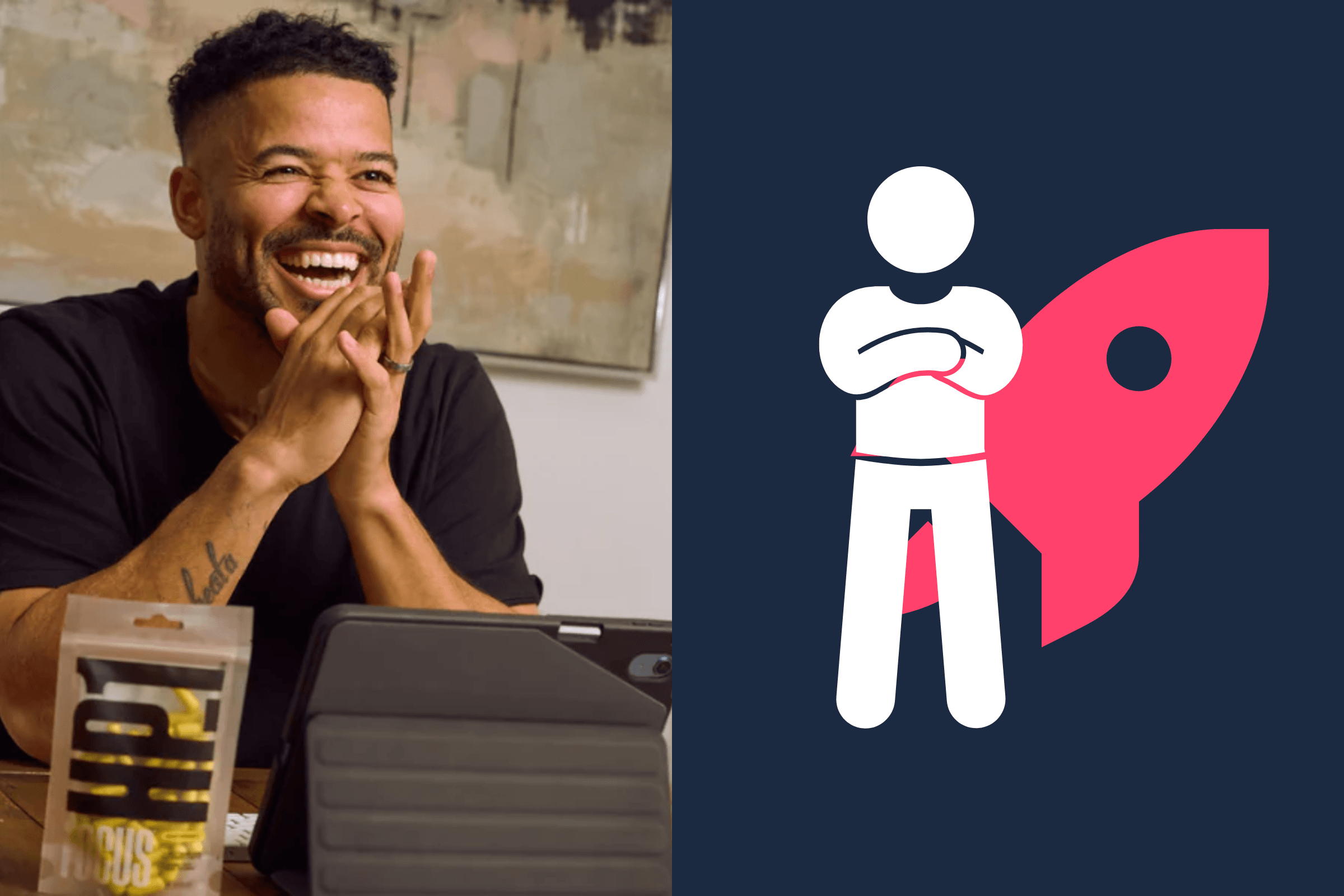
This article covers HP-1, a healthtech startup, which has raised close to £1m to support its product launch, further formulation development and wider distribution. The funding will back the launch of a cognitive supplement and support product development and market expansion in the direct-to-consumer wellness sector.
Jeremy Lynch, the social media entrepreneur best known as a freestyle football creator, has raised close to £1 million to grow HP-1, a focus and productivity supplement brand. The funding will support this week’s product launch, product development beyond an initial tablet formulation, and wider distribution; the move is another example of creator-led consumer brands moving into the health and wellness market.
Why it matters
Creator-founded consumer health products are increasingly common, but they raise practical questions about evidence, safety and market positioning. HP-1 is notable because the round was led by another social media entrepreneur, Yianni Charalambous, and because the product is positioned around cognitive performance — an area that sits at the intersection of healthtech, nutrition and direct-to-consumer retail. The deal highlights how social reach can translate into early commercial backing, and how influencer capital is being used to enter regulated consumer health spaces.
Inside the product
HP-1 is presented as a cognitive supplement in capsule form, priced at £34.99 for a month’s supply (60 capsules) and sold via HP-1.com. The company says the formulation was developed with Daniel Herman at Bio-Synergy, a NASM-qualified nutritionist with 28 years of sports nutrition experience, and that independent academic evaluation was carried out by Coventry University.
The product claims include sharper, calmer focus; sustained energy without a crash; and improved speed and accuracy on attention-switching tasks. The brand also says every batch is tested and certified by Informed Sport, a third-party anti-doping testing programme. HP-1 has signalled plans to explore effervescents and drink formats beyond the initial tablet formulation.
In the announcement, Daniel Herman, Bio-Synergy, said:
[No direct quote from Daniel Herman was provided in the announcement]
Who are the investors?
Who are the investors?
The round was led by Yianni Charalambous, identified in the release as a serial entrepreneur and social media creator with more than 8 million followers. Additional investment came from unspecified retail experts and former members of the Frasers Group board. The press release states the funding — described as close to £1 million — will support the immediate product launch and future product development work.
If you're researching potential backers in this space:
- Explore our list of healthtech venture capital firms in the UK
- Browse our directory of healthtech angel investors in the UK
Founder perspective
In the announcement, Jeremy Lynch, founder of HP-1, said:
We’re living in the Age of Distraction, and people are increasingly realising that it’s focus that makes the biggest difference to productivity and performance.
In the announcement, Jeremy Lynch, founder of HP-1, said:
We all know that picking up your phone 58 times a day is bad, but it can feel impossible to fight. Many brands out there claim to enhance focus, but lack real scientific backing or tangible results. HP-1 is built on credible science, designed to deliver instant focus today and lasting cognitive wellbeing for tomorrow.
In the announcement, Jeremy Lynch, founder of HP-1, said:
Every batch is tested and certified by Informed Sport because trust is everything, and our community deserves absolute confidence that what they’re putting in their body is clean, safe, and competition-approved.
Lynch’s public profile is part of the commercial proposition: the release cites more than 50 million followers across platforms and 27.7 million followers on TikTok, where he is described as a major football creator. The launch therefore combines influencer reach with third-party testing and an academic evaluation to bolster product claims.
The bigger picture
The HP-1 funding round sits at the crossroads of three trends: creator-led consumer brands, growing consumer demand for cognitive performance products, and investor interest in backing social-first founders. For the UK market, it underscores how social capital can unlock early-stage consumer funding and rapid go-to-market, but it also emphasises the need for independent testing and clear regulatory compliance when selling ingestible products.
As UK and European regulators continue to focus on product claims and labelling in the wellness sector, startups that combine visible clinical validation and recognised testing frameworks may find it easier to convert large online audiences into sustained customers.
Click here for a full list of 7,526+ startup investors in the UK