IVFmicro lands £3.5m pre-seed to improve embryo quality with microfluidic device

This article covers IVFmicro, a University of Leeds spinout startup, which has raised £3.5m in pre-seed funding to advance a microfluidic device for embryo culture. The funding will support verification and validation work and planned trials on human embryos, targeting improvements in embryo quality and quantity that could affect fertility clinics and patients undergoing IVF.
IVFmicro, a University of Leeds spinout, has raised £3.5m in pre-seed funding to advance a microfluidic device designed to improve embryo quality and increase the number of embryos available in an IVF cycle. The round will fund verification and validation work ahead of planned trials on human embryos in fertility clinics, a step that could shift how clinics manage embryo culture if results hold up.
Why it matters
One in six couples globally experience fertility issues and current IVF outcomes remain modest: success rates are typically 25 to 30% for women under 35. The procedure is also costly for patients, with an average UK cycle price of around £5,000, and many face long NHS waiting lists and selective eligibility. Limitations in the embryo culture process — repetitive handling, subjective selection and reliance on highly skilled operators — contribute to these outcomes.
Incremental improvements in embryo handling that increase the chance of implantation and the number of viable embryos per cycle would have practical value for patients and clinics, potentially reducing repeat cycles and associated costs.
Inside the product
IVFmicro has developed a microfluidic device intended to manage embryo culture and handling with very small volumes of nutrient-rich fluid. The company says the device can be incorporated into standard IVF cycles and aims to reduce manual handling and provide more consistent culture conditions.
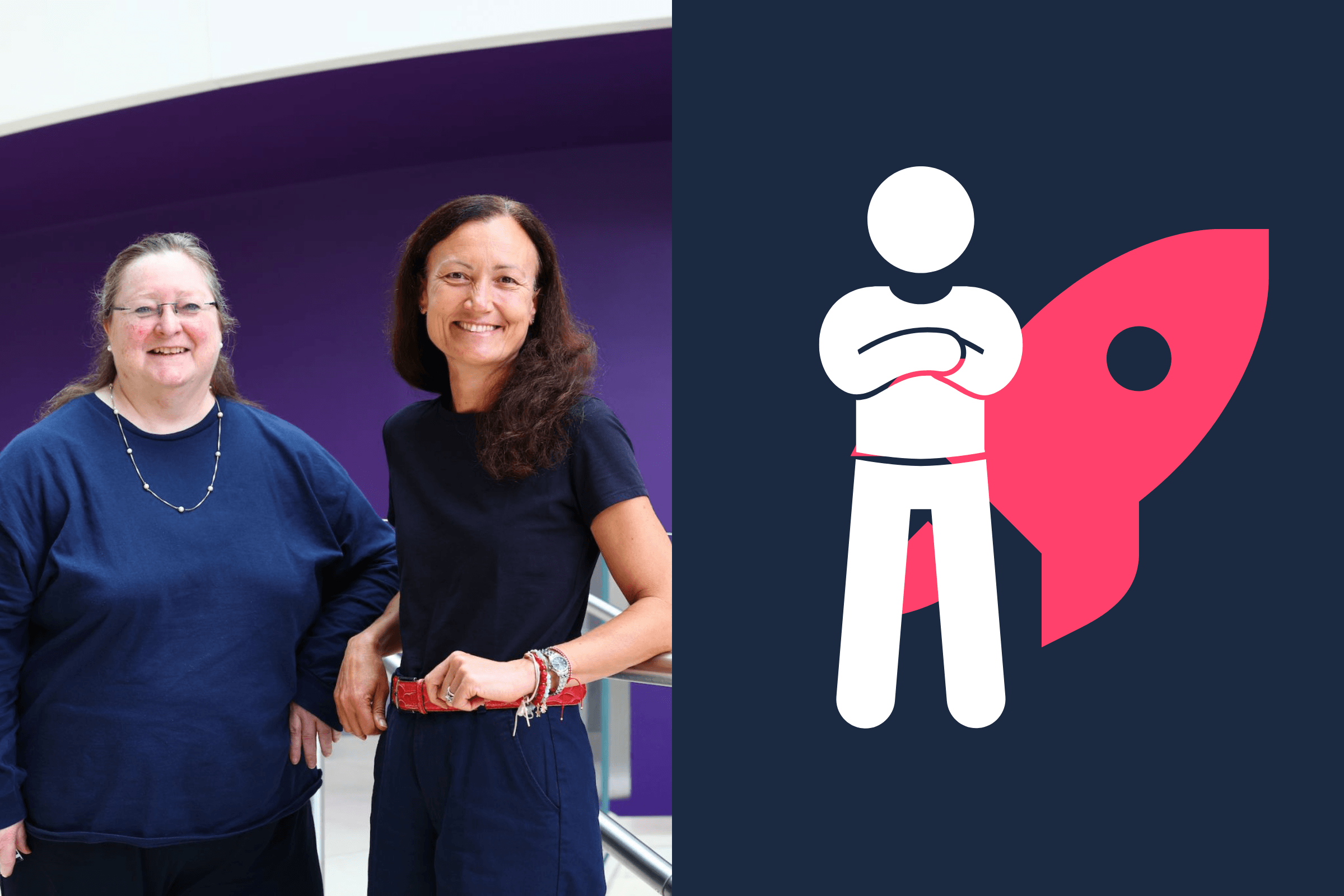
The startup reports a 10 to 15% improvement in embryo quality and quantity in its preclinical work. The next step, funded by this round, is a verification and validation phase followed by trials on human embryos in clinical settings. The company was founded in 2018 by Virginia Pensabene and Helen Picton, both professors at the University of Leeds; Pensabene leads as CEO with a background in microfluidics, while Picton is scientific director with expertise in reproductive biology and embryology.
Who are the investors?
Who are the investors?
The £3.5m pre-seed investment is led by Northern Gritstone and includes support from the Innovate UK Investor Partnerships Programme. Northern Gritstone has also supported IVFmicro through its NG Studios life sciences programme, which is delivered in partnership with accelerator KQ Labs and the Francis Crick Institute.
The funding will be used to complete verification and validation work and to prepare for human embryo trials in fertility clinics. The involvement of public innovation programmes such as Innovate UK’s partnership initiative signals a blend of private and public support for early-stage healthtech firms tackling clinical problems.
In the announcement, Duncan Johnson, Investor at Northern Gritstone, said:
IVFMicro is a brilliant example of the world-class innovation emerging from the Northern Arc’s universities, combining scientific excellence with a clear commercial vision to tackle the societal challenge of infertility. Millions worldwide require fertility treatment, but new solutions are needed to overcome the high costs involved and low success rates. We are especially proud that IVFMicro’s journey has been supported through our NG Studios programme and our Innovation Services, which exist to help founders like Virginia and Helen turn pioneering research into real-world impact.
If you're researching potential backers in this space:
- Explore our list of healthtech venture capital firms in the UK
- Browse our directory of healthtech angel investors in the UK
Founder perspective
The founders frame the work as a direct translation of lab research into a clinically relevant tool. In the announcement, Helen Picton, Co-founder & Scientific Director at IVFmicro, said:
My career has focused on understanding the reproductive biology of eggs and embryos, how they develop and, crucially, why things sometimes go wrong. At IVFmicro, we are harnessing years of research into reproductive biology to create a practical, accessible solution that can improve outcomes for patients undergoing fertility treatment. Our goal is to make IVF more effective, more predictable, and ultimately more hopeful for those striving to start a family.
In the announcement, Virginia Pensabene, Co-founder & CEO at IVFmicro, said:
As a biomedical engineer, I began exploring the potential of this technology in 2017, when Helen and I first met at the University of Leeds. From the start, our goal was to translate our research into a real solution for patients. Thanks to the combination of grant funding and Northern Gritstone’s support - both through investment and its innovation programmes - we have been able to grow our team in Leeds and take a major step toward bringing this precision-engineered IVF solution to market.
The bigger picture
IVFmicro’s funding and planned clinical work sit within a larger push to commercialise university research in the Northern Arc and across the UK, where healthtech and biotech ventures are seeking earlier validation and partnerships with clinics. The approach also highlights the role of hybrid funding — private investors alongside Innovate UK-style programmes — in de-risking translational work that must navigate scientific, regulatory and ethical scrutiny, especially when trials involve human embryos.
If the device’s improvements are replicated in clinical trials, it could modestly raise success rates and reduce the number of cycles patients need. That outcome would be relevant for patients, clinics and commissioners across the UK and Europe as startup innovation continues to target persistent clinical bottlenecks in fertility care.
They've invested in IVFmicro
Get to know these healthtech investors


Click here for a full list of 7,526+ startup investors in the UK