My Skin Feels secures £50k pre-seed to commercialise fermentation-led skincare

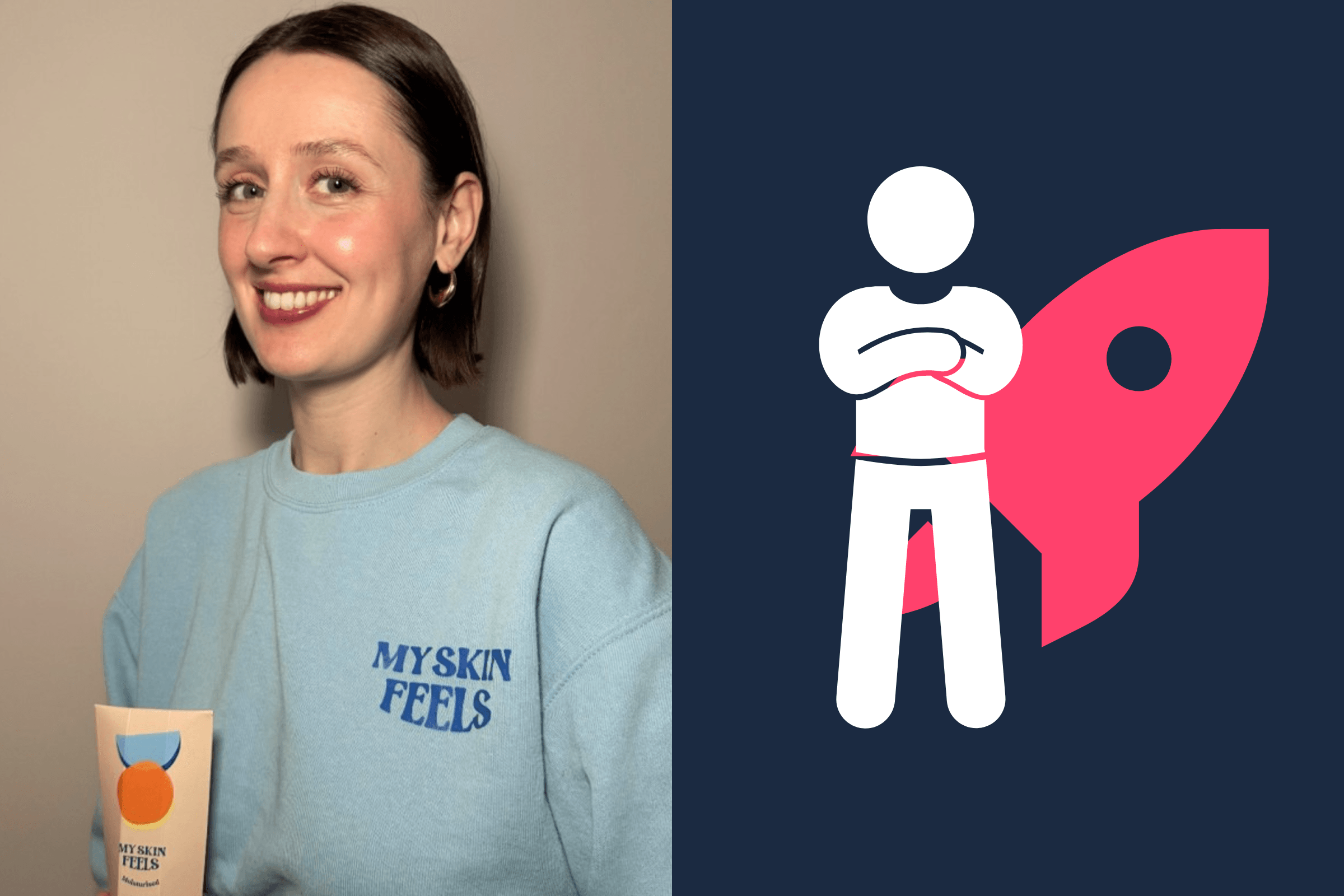
This article covers My Skin Feels, a startup, closing a pre-seed funding round of £50,000 after securing a joint offer on BBC One's Dragons' Den. The investment provides early-stage capital to a sustainable personal-care startup that uses rescued-food ingredients and fermentation-led formulations for sensitive skin and supports its retail expansion.
My Skin Feels has closed a pre-seed funding round of £50,000 after securing a joint offer on BBC One’s Dragons’ Den. The deal, agreed in exchange for 20% equity, follows rapid founder-led growth and marks a public validation of a cosmetics business built around rescued-food ingredients and fermentation-driven formulations.
Why it matters
The investment is notable for two reasons. First, it underlines continued appetite for brands that combine sustainability with product performance in personal care. Second, it shows the commercial route for rescued-food ingredients and microbiome-friendly formulation approaches — areas that intersect with healthtech thinking about biological systems and consumer health.
My Skin Feels has already moved beyond proof of concept: the brand reports strong year-on-year growth, US retail listings and industry awards. That combination of traction and a clear sustainability story is increasingly where early investor attention is focused.
Inside the product
My Skin Feels formulates vegan, sensitive-skin-friendly skincare using by-products from the food industry. The company says it uses a fermentation process intended to unlock amino acids, antioxidants and postbiotics that support the skin’s microbiota. In practical terms the brand targets people with sensitive, dry or reactive skin who want products with a smaller environmental footprint.
Since launch the business has expanded into all 15 Credo Beauty stores in the US and secured early distribution with Whole Foods. It also reports multiple category awards and a place on the StartUps 100 list for 2026. The team says new products and clinical trials are already in progress for 2026.
Who are the investors?
The Dragons’ Den appearance ended with a joint offer from two of the show’s panel: Deborah Meaden and Gary Neville. The pair agreed to invest a combined £50,000 for 20% of the business. Other Dragons either passed or declined to make an offer after questioning the product, go-to-market plan and where they could add value.
In the announcement, Gary Neville, Dragon at Dragons' Den, said:
Dani what a brilliant pitch and I love your energy
In the announcement, Gary Neville, Dragon at Dragons' Den, said:
Dani I’ve got two daughters, they're at an age now where they are spending quite a bit of time putting product on their face and I don’t think I would be able to go home to my two daughters and not have made you an offer, because i think they would absolutely love you. I have also got two very good contacts in this space. Important things for me are people and passion about the product. You obviously know your industry very well and you've built a career around this industry so I'm not going to miss out on this opportunity.
In the announcement, Deborah Meaden, Dragon at Dragons' Den, said:
I know you know I would love everything about what you're doing. What I really like is that you have come from the industry that we all recognise needs to change. You'll probably be aware of a business that Peter and I invested in, called Fussy. It faced some of the challenges that you're going to face, so it's got a similar story that needs to be told and we have told it for Fussy very successfully. So unsurprisingly I'm going to make you an offer, the same offer that you’ve already received
Several other Dragons gave feedback without investing. In the announcement, Stephen Bartlett, Dragon at Dragons' Den, said:
I really enjoyed listening to your pitch today because you’re a really good storyteller, I think im the best dragon for you, I believe that, but I just don’t see enough, specifically in the product, that I can work with as a marketier to make it completely punch through the market.
In the announcement, Peter, Dragon at Dragons' Den, said:
It's just really difficult to not make you an offer because you are everything that you want to invest in as an individual. I think you are energetic, radiating and you've got a great product so I'm going to make this really difficult for you. I know you closed the door to your mediumship but you might need it
The investors have signalled a willingness to be actively involved in scaling the brand; Deborah referenced prior investments in adjacent clean-beauty businesses as experience relevant to My Skin Feels’ challenges. The offer was negotiated live on the show, with the founder ultimately accepting the joint deal after seeking a smaller equity stake.
If you're researching potential backers in this space:
- Explore our list of healthtech venture capital firms in the UK
- Browse our directory of healthtech angel investors in the UK
Founder perspective
Dani Close, founder at My Skin Feels, framed the investment as both a commercial and cultural fit. She emphasised the investors' understanding of sustainability and retail dynamics when choosing whom to work with.
In the announcement, Dani Close, founder at My Skin Feels, said:
Not only is Deborah deeply passionate about sustainability, but she immediately understood both our challenges and our successes
In the announcement, Dani Close, founder at My Skin Feels, said:
I loved every second of it. The most nerve-wracking moment was waiting for the lift doors to open, but once I stepped out it just really went for it.
On longer-term goals she reiterated the brand’s mission.
In the announcement, Dani Close, founder at My Skin Feels, said:
I want My Skin Feels to become a household name and a leader in the conscious beauty movement In the announcement, Dani Close, founder at My Skin Feels, said: We want to prove you can build a profitable, long-lasting brand with sustainability at its core.
The bigger picture
This deal sits at the intersection of a few broader trends in the UK and European startup ecosystem: the rise of sustainably sourced ingredients, growing interest in microbiome-informed personal care, and the continued role of media platforms in de-risking early-stage consumer brands. Retail partnerships such as Credo and Whole Foods remain important early signals for investors as they demonstrate buyer demand beyond direct-to-consumer channels.
For founders, the episode underscores how lineage and category experience — in this case a founder with brand-side experience at established beauty businesses — can be as important as unit economics in attracting investment. For investors, it highlights the routes for novel ingredient sourcing and formulation approaches to move from niche sustainability messaging to mainstream retail.
As policy and consumer pressure push the beauty industry towards less wasteful supply chains, expect more UK and European startups to pursue rescued-food and fermentation-led formulations, and for investors to watch distribution wins closely when evaluating those bets.
They've invested in My Skin Feels
Get to know these healthtech investors


Click here for a full list of 7,526+ startup investors in the UK