Wayve secures £1.11bn to launch Uber robotaxi trials with onboard AI

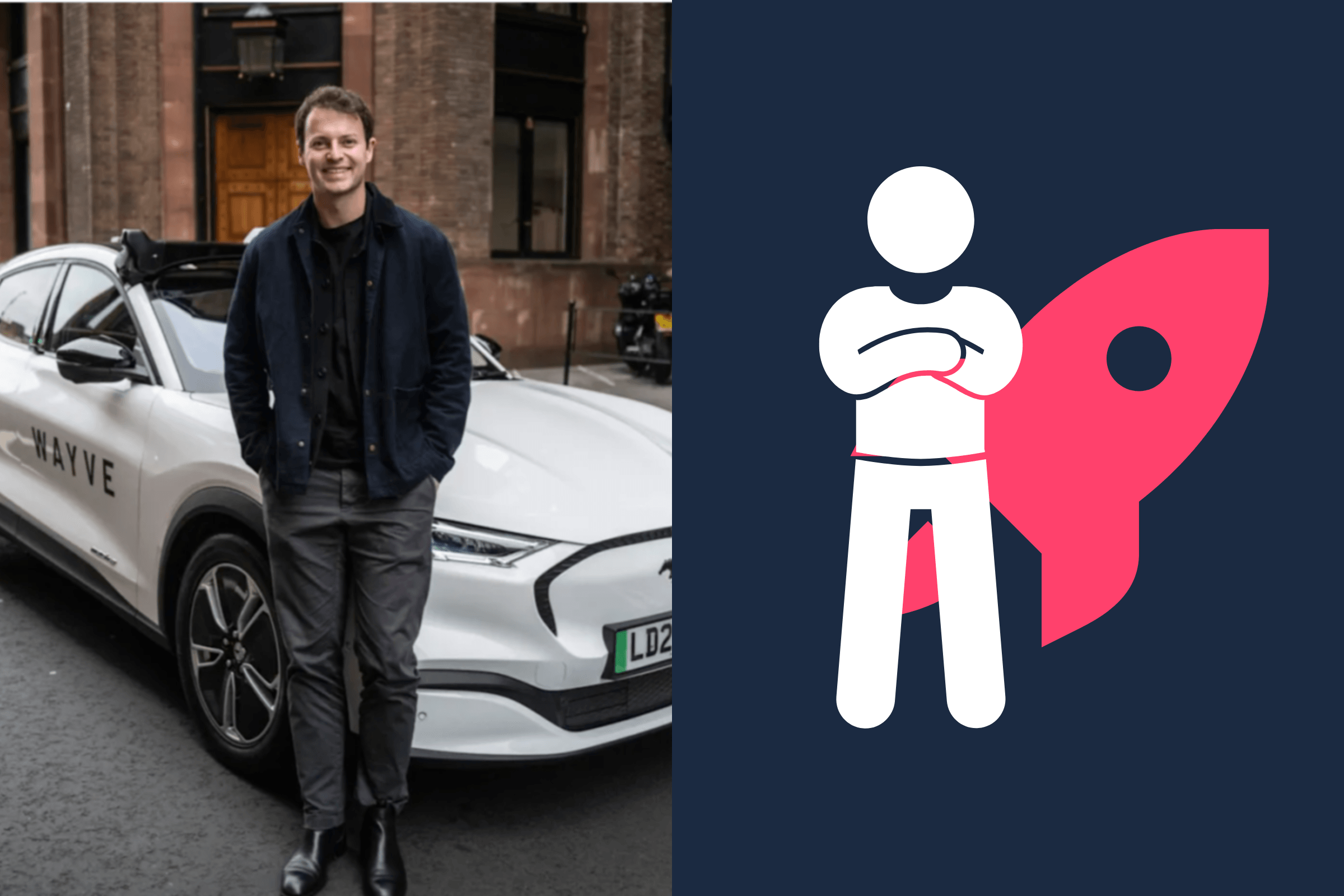
This article covers Wayve, an AI startup, raising £1.11bn in a growth funding round to accelerate commercial deployment of its end-to-end autonomy platform. The funding aims to support robotaxi trials with Uber in 2026 and roll-out of passenger vehicles with its AI Driver at L2+ from 2027, affecting automakers and investors in the autonomous vehicle sector.
Wayve, an AI startup, has raised £1.11bn in a growth funding round to accelerate commercial deployment of its end-to-end autonomy platform, a move that signals growing investor confidence in embodied AI as a path to scalable robotaxi and consumer vehicle autonomy.
Why it matters
The financing marks a shift in the autonomous vehicle industry from research demonstrations to commercial roll-out. Wayve says the capital will fund robotaxi trials with Uber in 2026 and the introduction of passenger vehicles with its AI Driver at L2+ from 2027. If successful, that timetable would put the company among the earliest to move from large-scale testing to paid services and consumer products, while relying on software licensing rather than capital-intensive fleet ownership.
Wayve’s approach also changes where value sits in the AV stack. By running on onboard compute and embedded sensors without high-definition maps or location-specific engineering, the company aims to reduce the cost and complexity of deploying autonomy across multiple markets.
Inside the product
Wayve’s platform is built around an end-to-end embodied AI model trained on data collected from more than 70 countries and multiple vehicle platforms. The company claims its foundation model enabled zero-shot performance in over 500 cities across Europe, North America and Japan in a single year, meaning the system operated in new cities without bespoke fine-tuning.
The company positions its AI Driver as a licensable software layer for automakers, offering tools to customise driving models for specific vehicles and brands. Functionally, Wayve describes support from L2+ hands-off features under driver supervision through to L3 and L4 modes that enable greater levels of autonomy. The stack is intended to run entirely on vehicle compute, avoiding dependence on cloud-based mapping or heavy localisation engineering.
Who are the investors?
The headline Series D portion of the round raised £889.1m and was led by Eclipse, Balderton and SoftBank Vision Fund 2. The wider funding package that brings the total to roughly £1.11bn (about $1.5bn) includes new investment from institutional backers such as Ontario Teachers’ Pension Plan, Baillie Gifford, British Business Bank, Icehouse Ventures and Schroders Capital.
Strategic technology partners Microsoft and NVIDIA participated, alongside mobility platform Uber. Auto manufacturers Mercedes-Benz, Nissan and Stellantis also invested, signalling commercial alignment between Wayve’s software-first model and established vehicle makers. Uber has committed additional milestone-based capital to scale Wayve-powered robotaxi deployments globally; under the stated partnership, Uber would operate fleets using L4-capable vehicles from participating automakers while Wayve supplies the AI Driver.
Taken together, the investor line-up mixes financial institutions, strategic tech companies and automakers, reflecting both a pursuit of scale and a desire among strategic partners to influence integration and deployment.
If you're researching potential backers in this space:
- Explore our list of AI venture capital firms in the UK
- Browse our directory of AI angel investors in the UK
Founder perspective
Wayve frames the raise as a turning point from AI research to scaled commercial deployment, highlighting the company’s safety-by-design architecture and production-ready autonomy platform. The company intends to match software licensing and tooling for vehicle makers with operational partnerships to accelerate real-world services rather than build and operate large captive fleets.
The bigger picture
The round underlines growing capital flow into UK-founded autonomy and AI firms, and it brings major global industrial and tech names into closer alignment with a software-first AV strategy. For UK regulators and city planners, 2026 robotaxi trials in London will be an early test of how policy, insurance and urban operations adapt to higher levels of vehicle autonomy.
More broadly, the deal is another example of institutional investors and strategic partners placing large bets on foundation-model approaches outside conventional cloud services. How quickly Wayve converts tech performance into reliable, regulated services will influence investor appetites for similar AI-first mobility ventures across Europe and beyond.
They've invested in Wayve
Get to know these AI investors


Click here for a full list of 7,526+ startup investors in the UK