ALORA secures funding to validate gene-edited traits boosting yield under heat stress

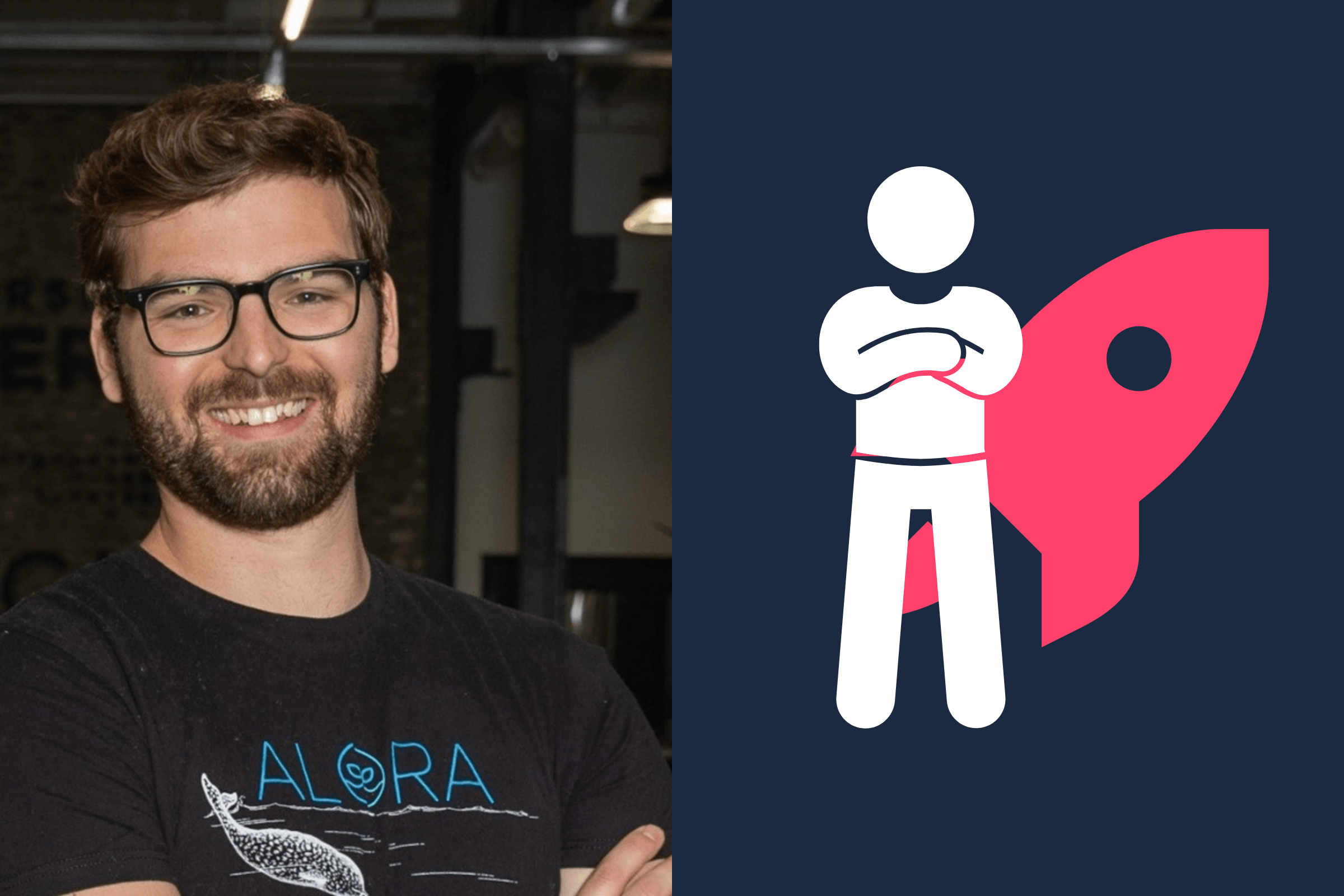
This article covers ALORA, an agtech startup that has closed a growth funding round led by the Neglected Climate Opportunities Fund, a subsidiary of the Grantham Environmental Trust, with participation from Toyota Ventures, and has appointed Adam Helms as chief executive. The funding backs ALORA's development of gene-edited traits that reallocate plant energy from stress defence to yield to improve crop resilience under rising heat stress and support breeders and seed companies.
ALORA, an agtech startup based at Norwich Research Park, has closed a growth funding round led by the Neglected Climate Opportunities Fund, a subsidiary of the Grantham Environmental Trust, with participation from Toyota Ventures and announced the appointment of Adam Helms as chief executive. The raise backs ALORA’s work on gene-edited traits that aim to reallocate a plant’s energy from stress defence to yield — a line of research that could matter for crop resilience as heat stress becomes more common.
Why it matters
ALORA’s claims of substantial yield uplifts in rice — up to 1.5x under optimal conditions and 2–4x under extreme heat stress in controlled environments — point to a technical approach that, if validated in diverse field conditions, could change how breeders and seed companies prioritise traits. With initial 2025 UK field trials reportedly confirming open-field performance, the company is moving from laboratory promise toward commercial validation at a time when agriculture faces mounting climate pressures and supply-chain scrutiny.
Inside the product
ALORA uses gene editing to alter plant physiology so that resources normally diverted to defence mechanisms are shifted toward grain or biomass production. The company says controlled environment studies produced the largest gains under heat stress, and its 2026 objective is to reproduce those results across multiple genetic backgrounds, crops and geographies. Reproducibility across different varieties is critical for seed companies and commercial partners, because a trait that works in one genetic background may not translate to others without additional breeding work.
Foundational work has been carried out at Norwich Research Park, and ALORA plans broader validation to support potential commercial partnerships rather than immediate product launches.
Who are the investors?
The round was led by the Neglected Climate Opportunities Fund, which operates under the Grantham Environmental Trust and focuses on climate-related interventions. Toyota Ventures participated alongside the lead.
Caroline de Bossart, Director at the Grantham Environmental Trust, commented on the investment and leadership change.
In the announcement, Caroline de Bossart, Director at the Grantham Environmental Trust, said:
We're pleased to continue our support of ALORA and welcome Adam to the team. His experience building early-stage companies will be valuable as ALORA translates its initial results into a broader validation program.
The involvement of a climate-focused philanthropic fund and a strategic corporate investor suggests the deal mixes mission-aligned capital with investor interest in commercially scalable agtech solutions. That combination can help fund longer validation timelines while signalling potential routes to commercial partnerships.
If you're researching potential backers in this space:
- Explore our list of agtech venture capital firms in the UK
- Browse our directory of agtech angel investors in the UK
Founder perspective
The financing accompanies a management shift: Adam Helms joins as chief executive, while founding CEO Luke Young moves to chief technology officer to lead research and development. On the recruitment, ALORA highlighted a priority for 2026 to build “proof points that matter to partners and investors by validating traits across multiple lines, crops, and geographies.”
In the announcement, Adam Helms, incoming CEO at ALORA, said:
ALORA has generated compelling early trait data, and I'm excited to work with this team to advance that science toward commercial relevance. Our priority this year is building proof points that matter to partners and investors by validating traits across multiple lines, crops, and geographies to enable substantive industry discussions.
The shift positions the founding scientist to focus on technical validation while Helms’s role will be to connect the science to industry partners and investors.
The bigger picture
ALORA’s fundraising and trial activity sits at the intersection of several trends in the UK and European agtech ecosystem: growing investor interest in climate-resilient farming, increased experimentation with gene editing, and a push from seed and crop technology firms to find traits that perform under heat and drought. The UK has been a focal point for gene-editing research and debate over regulation, and early field confirmations at home can help startups access international partners and trials.
Whether ALORA’s reported gains scale across crops, varieties and real-world farm systems will determine its commercial prospects. For now, the deal shows continued appetite from both philanthropic climate funds and corporate venture arms to back agtech approaches that promise productivity gains under climate stress.
They've invested in ALORA
Get to know these agtech investors

Click here for a full list of 7,526+ startup investors in the UK