Raylo secures £30m to offer LG TVs on subscription via device finance

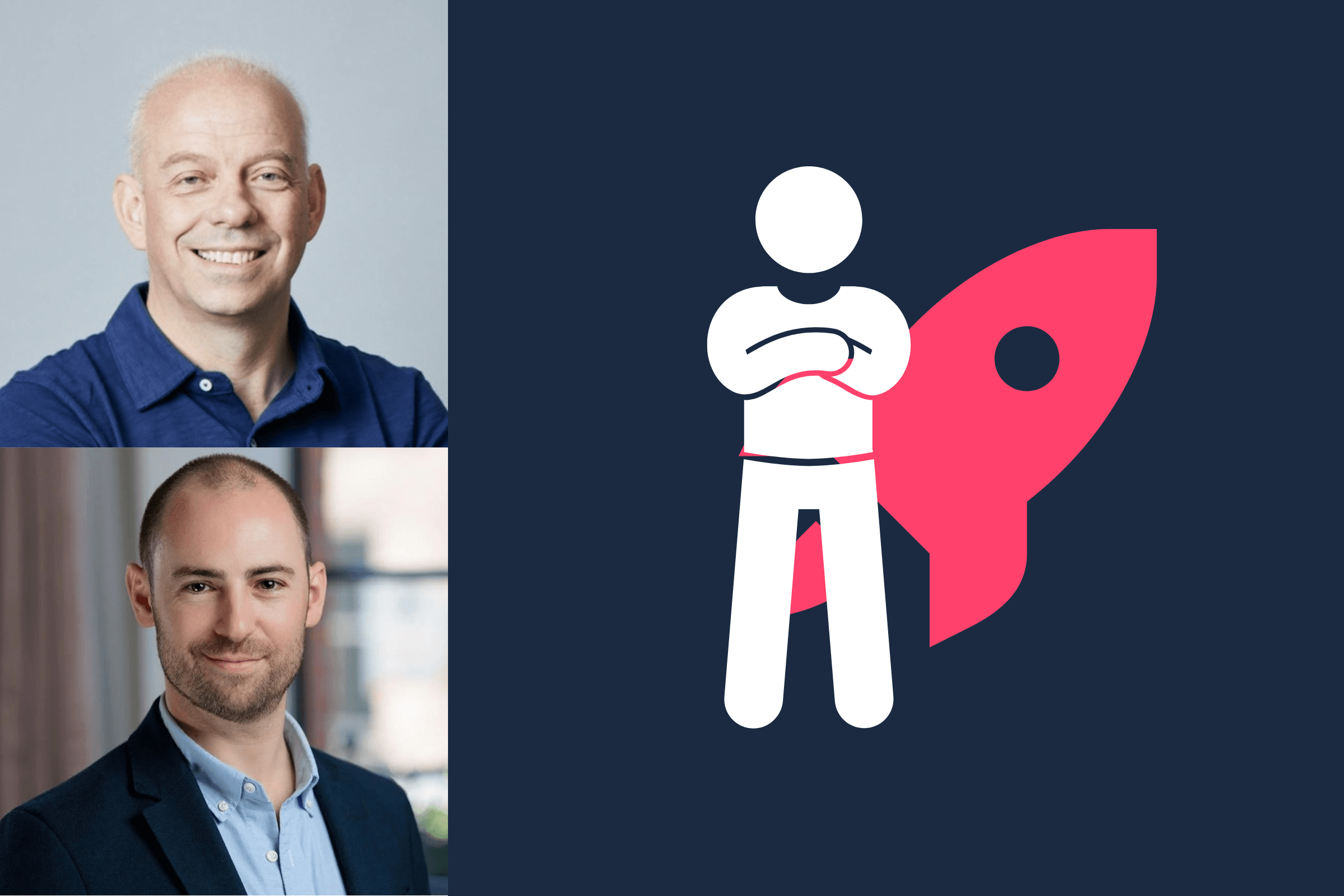
This article covers Raylo, the London-based ecommerce startup, which has closed a £30m growth funding round and announced a partnership with LG to offer TVs and audio on subscription, and which plans a US launch in the second half of 2026. The development aims to provide subscription infrastructure for electronics brands, supporting consumer access to devices with lower upfront costs and enabling manufacturers and retailers to pursue recurring revenue and improved device lifecycle management.
Raylo, the London-based ecommerce startup building subscription infrastructure for electronics brands, has closed a £30 million growth funding round as it announces a partnership with LG to offer TVs and audio on subscription. The funding — a £10 million equity round led by Citibank plus £20 million in debt from NatWest — will back Raylo’s expansion across device categories and a planned US launch in the second half of 2026.
Why it matters
Hardware companies have been experimenting with subscriptions for years, but offering TVs, consoles and other devices as an ongoing service requires both consumer finance and logistics systems that few brands operate at scale. Raylo’s deal with LG, alongside prior relationships with Dyson, PlayStation and Apple, underlines a growing shift among electronics firms toward recurring revenue models and longer device lifecycles.
For consumers the model promises lower upfront cost and upgrade flexibility. For manufacturers and retailers it offers a route to higher lifetime engagement and new revenue streams. That alignment helps explain why brands and banks are taking a closer interest in infrastructure providers that can operate globally.
Inside the product
Raylo supplies the backend technology that lets brands launch subscription or rental offers without building the finance, credit or device-management stack themselves. Its platform covers AI-based credit underwriting, financing, logistics and device lifecycle management — functions needed to assess affordability, manage returns and refurbish hardware for reuse.
Under the LG partnership, customers in the UK can now subscribe to LG’s premium TV and audio ranges via LG.com or through Raylo’s channels, with monthly, yearly or rolling subscription plans and options to upgrade. Raylo positions this capability as part of a circular-economy approach, by enabling reuse and refurbishment rather than one-time sales.
Christina Sangmi Lee, Head of LG.com, said:
We know people want greater choice in how they enjoy the latest technology. By partnering with Raylo, we’re able to offer a subscription experience that meets the expectations of today’s customers. We’re excited to bring LG Flex to market, offering more flexible and affordable access to LG’s latest tech.
Who are the investors?
The £30 million package combines £10 million in equity led by Citibank and £20 million of debt financing from NatWest, an existing backer. The announcement describes Citibank as leading the equity element and joining the cap table to help facilitate Raylo’s international expansion, while NatWest’s debt component will support continued UK growth and the planned US launch in H2 2026.
Institutional bank participation on the equity side alongside bank-provided debt signals both confidence in the subscription infrastructure model and a pragmatic funding mix for capital-intensive device financing. The structure also reflects a common route for hardware-financing businesses that need scalable lending capacity while limiting equity dilution.
If you're researching potential backers in this space:
- Explore our list of ecommerce venture capital firms in the UK
- Browse our directory of ecommerce angel investors in the UK
Founder perspective
Karl Gilbert, CEO and Co-Founder of Raylo, framed the LG deal as a validation of the company’s product-market fit and a step toward broader category coverage.
Karl Gilbert, CEO and Co-Founder of Raylo, said:
Electronics brands are increasingly moving beyond one-time sales and toward subscription-first models. Our partnership with LG marks a key step in that transition, delivering clear value for both electronics brands and customers whilst expanding our category offering with a true global leader. It’s been great working with the LG team to bring this to market, and we’re excited about scaling the partnership together.
The CEO’s comments emphasise partnerships with well-known consumer brands as the primary route to scale, rather than direct-to-consumer growth alone.
The bigger picture
Raylo’s raise and LG tie-up sit at the intersection of several trends: rising consumer appetite for pay-as-you-go ownership, growing pressure on manufacturers to improve device longevity, and continued investor interest in fintech-enabled commerce infrastructure. For ecommerce startups and retailers, outsourcing subscription mechanics to a specialist can lower the barrier to testing new commercial models.
The financing mix — equity from a multinational bank and debt from a domestic lender — also highlights how different kinds of capital are being combined to support cross-border expansion. The deal reflects growing interest from ecommerce investors in companies that can stitch together credit, logistics and sustainability goals into a single service offering.
This development will be watched by other European brands weighing subscription pilots and by policy makers focused on consumer credit protections and product durability standards. Raylo’s US launch next year will be an early test of whether the model scales outside the UK and Europe.
Raylo’s move adds to a broader narrative about how UK startups are building commercially viable infrastructure for circular commerce and hardware-as-a-service, attracting both corporate partners and institutional capital as they push beyond national markets.
They've invested in Raylo
Get to know these ecommerce investors

Click here for a full list of 7,526+ startup investors in the UK