Basecamp Research raises £105.6m in series C to test six programme AI pipeline

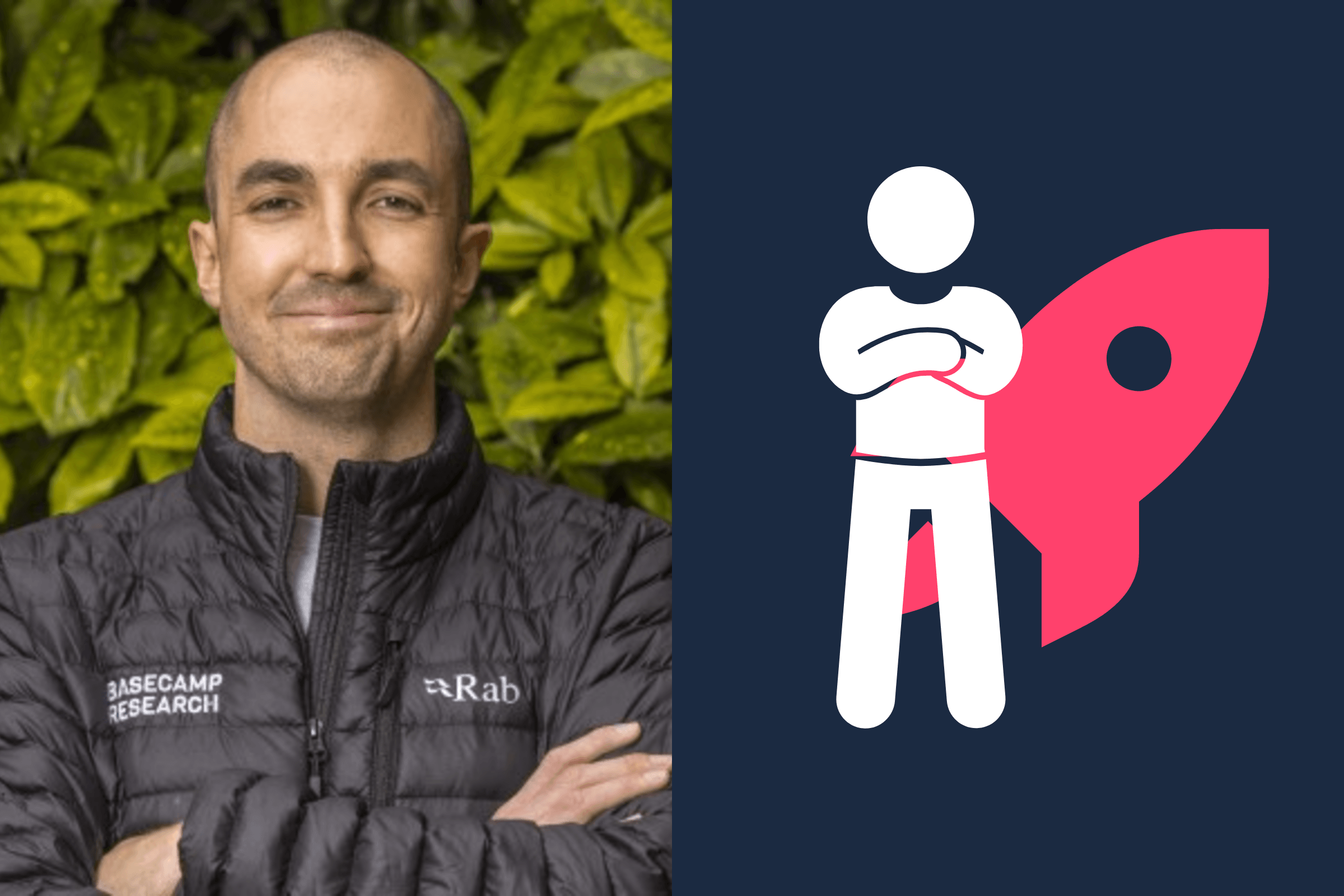
This article covers Basecamp Research, a biotech startup that has raised £105.6m in a series C funding round to advance a six-program pipeline testing its artificial intelligence-led drug discovery approach. The development aims to support evaluation of a data-first, AI-driven discovery model and is relevant to startups and investors across the UK biotech ecosystem.
Basecamp Research, a biotech startup, has raised £105.6m in a series C funding round to advance a six-program pipeline that will test its artificial intelligence-led drug discovery approach. The cash injection, reported as $140m in the original release, underlines growing investor appetite for companies that combine genetic data assets with machine learning.
Why it matters
Large, late-stage raises in UK biotech remain relatively rare compared with the US, so a £105.6m series C is notable. Basecamp’s pitch — that a sizeable genetic database paired with AI can shorten discovery timelines — speaks to two persistent themes in the sector: the increasing value placed on proprietary data and the move towards computational-first drug discovery.
If Basecamp can translate its dataset and algorithms into clinical candidates, the company may help validate a model that other startups and investors are watching closely. That matters for founders seeking capital and for UK biotech investors deciding whether to back AI-centred drug discovery firms at scale.
Inside the product
The company has unveiled a six-program pipeline intended to test its AI. The announcement frames the work as an empirical test of whether machine learning applied to genetic data can deliver therapeutic candidates worth progressing into later development.
Basecamp was founded in 2019 and spent its early years building its genetic database — a foundational asset it says underpins its computational models. The public statements emphasise the combination of large-scale genetics and AI rather than traditional wet-lab-first discovery. Beyond the headline about the pipeline, the release provides few technical details such as target areas, preclinical status, or timelines for the six programmes.
Who are the investors?
Basecamp confirmed the £105.6m series C but did not disclose a full list of participating investors in the announcement. The company framed the capital as funding to advance the six-program pipeline and scale its data and AI capabilities, but the release stopped short of naming a lead investor, syndicate members, or anchor backers.
If you're researching potential backers in this space:
- Explore our list of biotech venture capital firms in the UK
- Browse our directory of biotech angel investors in the UK
Founder perspective
The company’s origin story highlights the challenge founders faced raising early capital for a data-first drug discovery approach. Since 2019, Basecamp’s leadership — pictured publicly as Oliver Vince, John Finn and Glen Gowers — has focused on convincing the market that a large, curated genetic dataset can be a durable competitive advantage. The new funding is presented as the next step in testing that thesis at programme scale.
The bigger picture
The round feeds into a broader trend: UK biotech is increasingly intersecting with AI and data science, attracting larger, risk-tolerant investment when companies can point to differentiated datasets and demonstrable computational workflows. The raise will also be watched as a signal to European investors weighing similar bets on AI-driven discovery.
For the UK ecosystem, a successful transition from algorithmic candidate identification to clinically relevant therapeutics would strengthen confidence in data-led startups and could encourage more capital to flow into companies that prioritise genetics and machine learning over conventional discovery models.
Click here for a full list of 7,589+ startup investors in the UK