Biotech Houdini Bio closes £1.5m led by SCVC and Deep Science Ventures

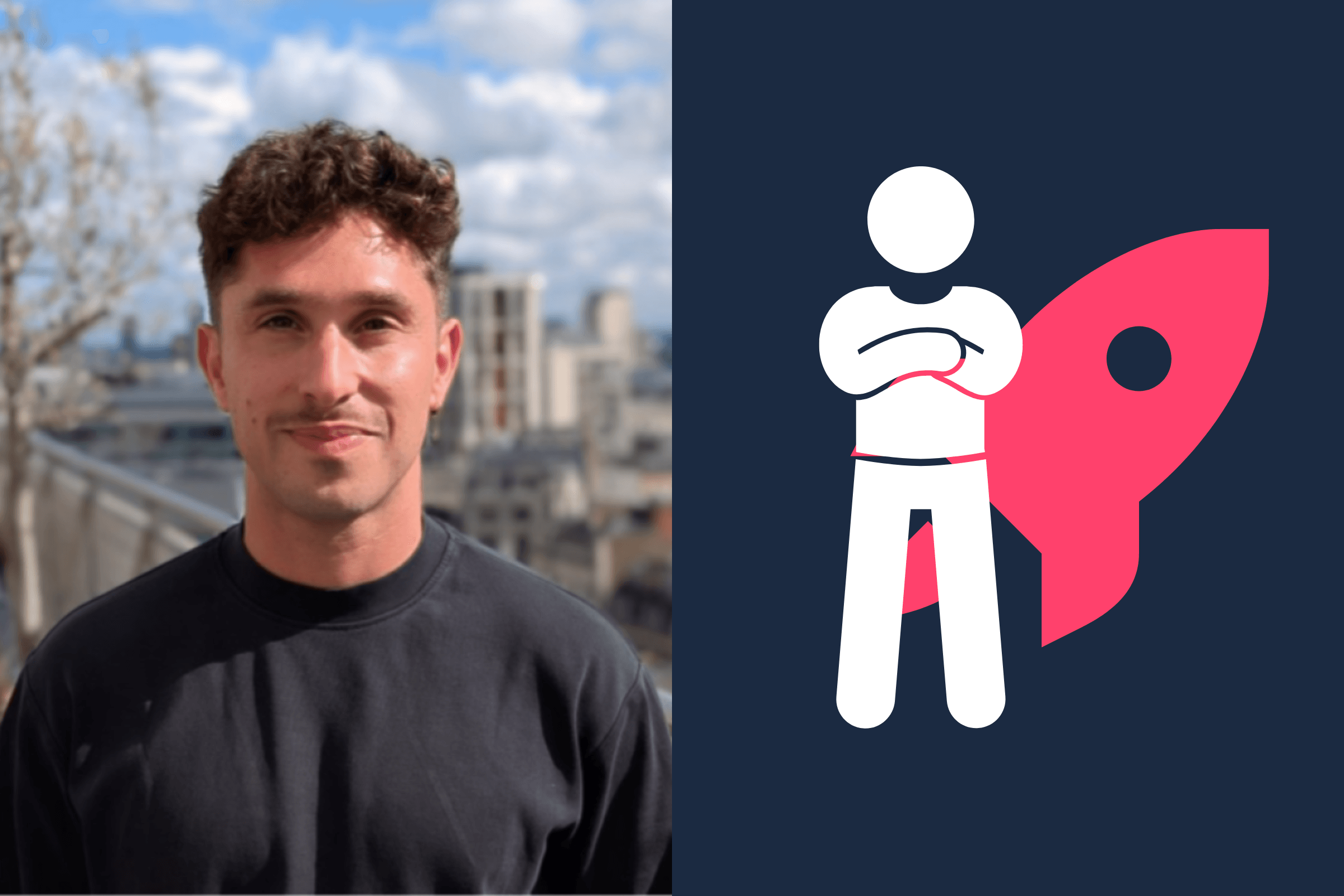
This article covers Houdini Bio, a Cambridge‑founded biotech startup, which has closed a pre-seed funding round of £1.5m and used the proceeds, alongside earlier non-dilutive grants, to announce its official launch. The announcement describes a machine learning-guided DNA design platform intended to overcome DNA silencing in gene and cell therapies, targeting developers, patients and the commercial viability of genetic medicines.
Houdini Bio, a Cambridge-founded biotech startup, has closed a pre-seed funding round of £1.5m and used the proceeds — alongside earlier non-dilutive grants — to announce its official launch. The company says its machine learning-guided DNA design platform aims to address a core biological barrier that limits the durability and safety of gene and cell therapies, a problem that matters for patients and for the commercial viability of genetic medicines.
Why it matters
Many gene and cell therapies face a common problem: human cells can recognise therapeutic DNA as foreign and silence it, reducing long-term efficacy, raising manufacturing costs and forcing higher, potentially unsafe doses. Houdini Bio’s approach targets that biological bottleneck at the level of DNA sequence design. If it works at scale, the platform could improve effectiveness across a range of conditions — from inherited blindness and cystic fibrosis to haemophilia, dementia and certain cancers — and change the economics of advanced medicines.
Inside the product
Houdini Bio combines machine learning with knowledge of cellular defence mechanisms — specifically the Human Silencing Hub (HUSH) complex — to redesign therapeutic DNA so it is less likely to be silenced by host cells. The company says its sequence design toolkit can boost gene expression output by more than 10-fold compared with current methods. The platform is positioned as an engineering-first alternative to trial-and-error screening, aiming to make therapeutic sequences more predictable, longer lasting and usable at lower doses.
The company traces its scientific roots to academic discovery: Professor Paul Lehner at the University of Cambridge identified the HUSH complex, and Houdini Bio’s CEO Jonathan Cohen-Gold characterised a set of molecular rules during his PhD work that the startup has translated into a predictive design system using AI.
Who are the investors?
Houdini Bio’s oversubscribed pre-seed round was led by SCVC, the venture arm of Science Creates, with participation from Deep Science Ventures and Cambridge Enterprise VC, the University of Cambridge’s investment arm. The company also reports having previously secured roughly £1.5m in non-dilutive grant funding to accelerate early validation.
In the announcement, Harry Destecroix, Founder and Managing Partner of SCVC, said:
Gene therapies really do represent the future of medicine, but they are stuck behind an invisible commercial and biological bottleneck. Houdini Bio represents the exact type of deep tech infrastructure the ecosystem needs. Solving DNA silencing at the biological root transforms long term efficacy and unit economics, revolutionising the commercial and treatment benefits of gene and cell therapies alike. We are thrilled to back a skilled, ambitious team turning complex biology into a truly usable and scalable solution.
The investors point to the platform’s potential to reduce dose requirements and manufacturing cost per treatment — two major drivers of commercial viability in the field — and to the team’s academic links and IP stemming from Cambridge research.
If you're researching potential backers in this space:
- Explore our list of biotech venture capital firms in the UK
- Browse our directory of biotech angel investors in the UK
Founder perspective
The company is led by CEO and co-founder Jonathan Cohen-Gold, who developed the underlying molecular rules during his PhD, and co-founder and Chief Business Officer Lee Dunham, who previously worked with more than 100 cell and gene therapy companies and served as a director of business development at the Cell and Gene Therapy Catapult. The founders say the combination of scientific insight and commercial experience is intended to accelerate partnerships with pharma and developer teams.
In the announcement, Jonathan Cohen-Gold, CEO and Co-Founder of Houdini Bio, said:
The industry has made incredible strides, proving genetic medicines can cure previously untreatable diseases, but cellular machinery still rejects these therapies, limiting long term effectiveness and forcing costly, unsafe doses. Our platform introduces a vital shift from trial-and-error screening to repeatable, engineering-driven DNA design. By discovering the molecular rules which allow sequences to escape HUSH, we can rewrite therapeutic DNA to clear cellular checkpoints. We are providing the missing link between these incredible medicines, the market and the patients who need them.
Tom Payne, COO of Laverock Therapeutics and an adviser to Houdini Bio, added:
Translating the discovery of the HUSH complex into a predictive engineering toolkit is a massive leap forward for translational biology. Houdini Bio’s ability to decipher the rules and mechanisms of HUSH and apply them to synthetic biology resolves a multi-decade challenge in molecular medicine, allowing transgenes to predictably escape host repression for the first time.
The bigger picture
Houdini Bio’s announcement sits within a wider push to make genetic medicines more practical and affordable. Investors and developers are increasingly focused on translational infrastructure — tools and platforms that remove biological and commercial barriers rather than being therapeutic candidates themselves. The deal underlines ongoing interest from biotech investors in companies that can de-risk and scale gene and cell therapy components.
For UK biotech, the combination of academic discovery, advisory links into industry, and early non-dilutive grant support is a familiar pathway from lab to company. Houdini Bio will need to convert early technical claims into reproducible results in partner programmes and clinical settings to realise the broader promise it outlines.
The company’s next steps — growing the team and forming co-development partnerships with pharma and developers across Europe — will be a useful signal of whether sequence-level engineering can become a standard part of the genetic medicine toolkit.
They've invested in Houdini Bio
Get to know these biotech investors
| Investors | Investment Focus | Startup Investments | Round Size | Connect |
|---|---|---|---|---|
 SCVC (Science Creates)( ) | ||||
 Deep Science Ventures( ) The firm is a venture creator focused on five sectors: Restorative Cultivation, ... London  | ||||
 University of Cambridge (Cambridge Enterprise VC)( ) | ||||
| All investors | All investor sectors | All funded startups | All funding rounds |
Click here for a full list of 7,589+ startup investors in the UK