Defence startup Kraken Technology Group raises £130m led by DTCP and Rheinmetall

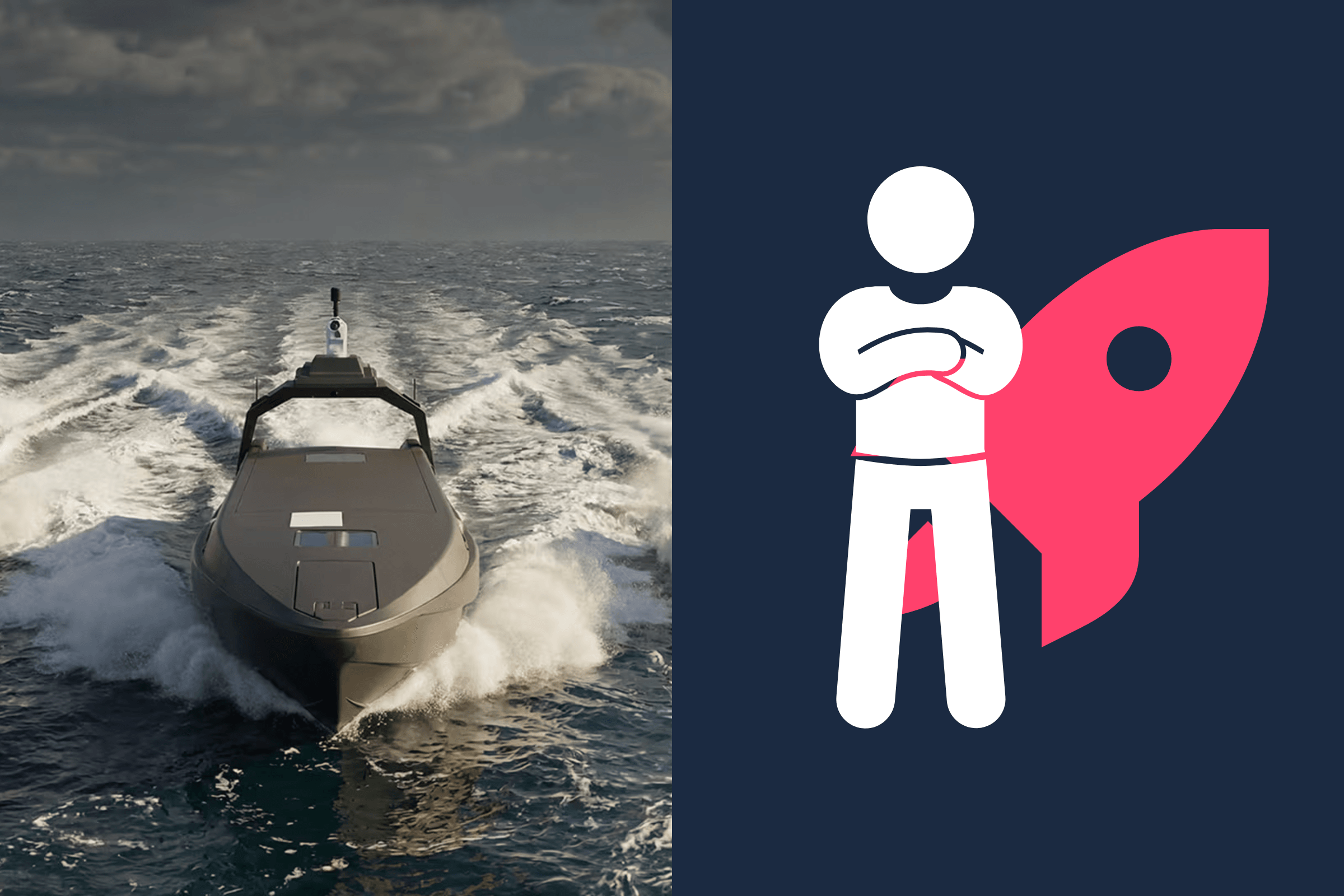
This article covers Kraken Technology Group, a British maritime defence startup, raising £130m in a series B funding round led by DTCP that values the startup at £750m. The funding is intended to support further development of uncrewed surface and subsurface vessels and to accelerate global roll-out and localised manufacturing of mission-ready platforms for NATO and allied naval forces.
Kraken Technology Group has raised £130 million in a series B funding round led by DTCP, valuing the British maritime defence startup at £750 million. The capital will fund further development of its uncrewed surface and subsurface vessels and accelerate a global roll-out and localised manufacturing of mission-ready platforms for NATO and allied naval forces.
Why it matters
The haul highlights growing private investment in autonomous maritime systems at a time when allied naval forces are seeking cost-effective ways to scale presence and payload capability at sea. Kraken says its platforms are already contracted by the UK Ministry of Defence, NATO partners and USSOCOM, and have been deployed in support of multiple ongoing conflicts. If Kraken can industrialise production at scale, it could change procurement dynamics for relatively cheap, expendable assets compared with traditional crewed vessels.
The involvement of defence-oriented investors and strategic partners also signals demand for sovereign and allied supply chains: Germany’s Rheinmetall, the US-based Anduril Industries and Canada’s Davie Shipyards are cited as manufacturing partners, and Kraken expects further arrangements in the Middle East and Indo-Pacific.
Inside the product
Kraken’s product line includes the K3 SCOUT, K5 KRAKEN and K7 SABRE uncrewed surface vessels, plus the K4 MANTA, an uncrewed surface/subsurface platform. The company positions these as hardened, high-speed systems with payload capabilities tailored to surveillance, force protection and mission-specific tasks.
Kraken states its facilities are each capable of producing up to 1,000 units a year. The new funding is intended to support continued platform development and rapid expansion of localised manufacturing capacity around the world, though the company has not published a detailed rollout timeline or unit-cost figures.
Who are the investors?
The round was led by DTCP and included participation from the British Business Bank, NATO Innovation Fund, Rheinmetall, Inocea Group, Thesiger Capital Group, BOKA Capital, Supernova Invest, Brevan Howard and Hakluyt Capital. Early backers — named as NIF, the UK’s National Security Strategic Investment Fund (NSSIF) and SmartCap, along with venture firms Notion Capital and Speedinvest — converted earlier holdings to equity as part of this financing.
The breadth of participants mixes strategic defence players, institutional backers and private investors, reflecting both operational interest from industry partners and financial interest from institutional capital. The deal underscores appetite from defence investors for autonomous maritime capabilities that can be deployed alongside traditional naval assets.
If you're researching potential backers in this space:
- Explore our list of defence venture capital firms in the UK
- Browse our directory of defence angel investors in the UK
Founder perspective
In the announcement, Mal Crease, Founder & CEO at Kraken Technology Group, said:
The maritime domain is profoundly under-invested, and Kraken has taken a leading role in bringing affordable, mission-critical high-speed uncrewed vessels to the market in a very short time. Kraken genuinely understands the unique challenges around high-sea-state robotic operations and swiftly responded to NATO requirements, delivering immediate 'mission-first' maritime capabilities to secure our waters, our shores and our offshore installations. We have high confidence in Kraken and could not be more excited about the opportunities ahead of us.
The bigger picture
Kraken’s raise sits within a broader trend of private companies moving faster than traditional defence procurement to field autonomous systems. The mix of defence contractors, strategic industry partners and public investment in the round points to a strategy that combines hardware scale-up with localisation of production — an attractive proposition for governments seeking resilience in supply chains.
There are political and operational questions ahead. Larger allied governments will want transparency on command-and-control, rules of engagement and export controls for armed or dual-use autonomous systems. At the same time, rapid industrial scaling will test supply chains and workforce capacity in shipbuilding and robotics.
This deal is another marker of the UK’s emerging role in maritime autonomy and the growing transatlantic market for such systems. With partners and investors across Europe and North America, Kraken’s progress will be watched closely by defence planners and investors as allied navies assess how uncrewed platforms fit into future fleet mixes.
Click here for a full list of 7,589+ startup investors in the UK