Healthcare startup Souuthe raises £75k from Innovate UK

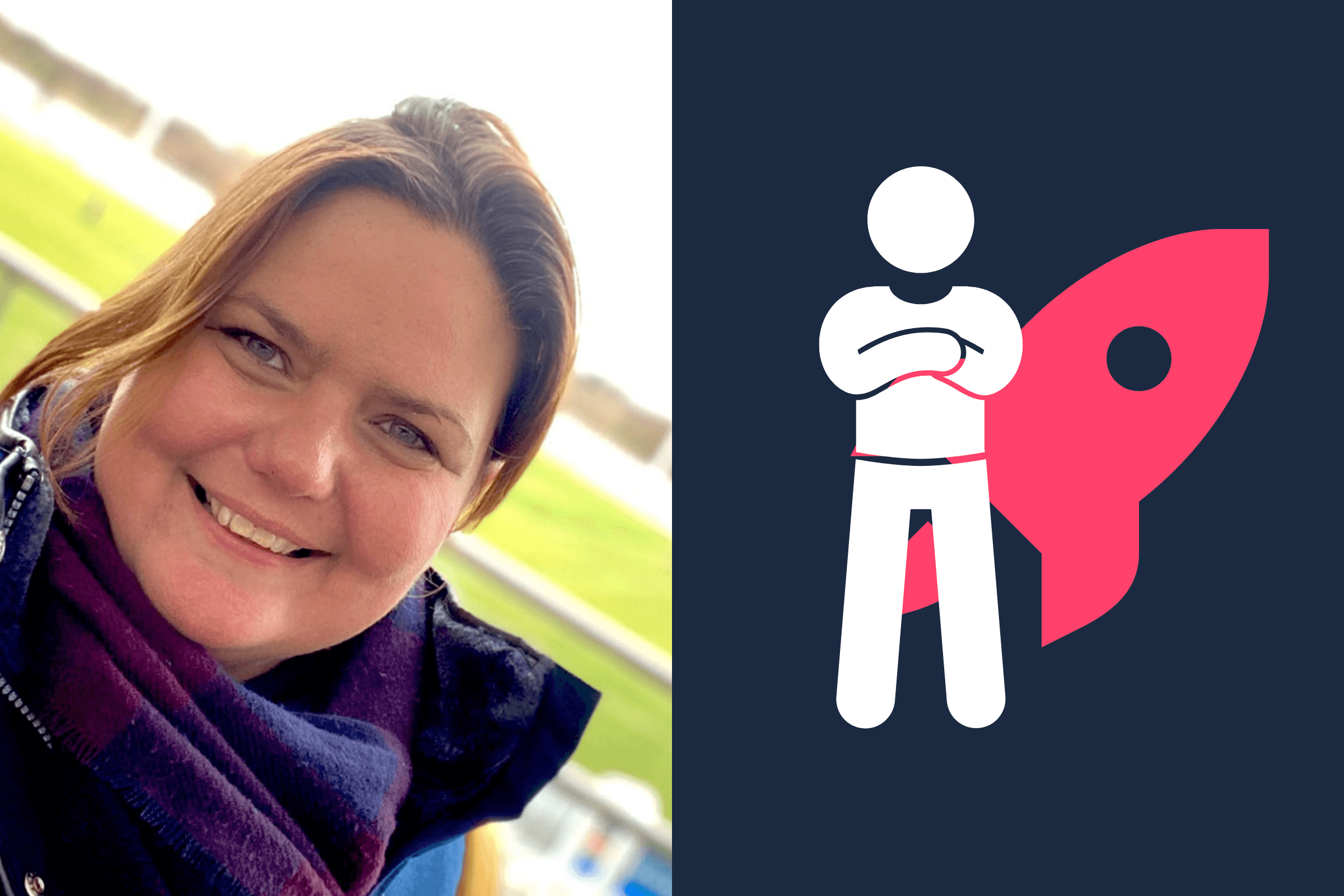
This article covers Souuthe, a healthcare startup that has secured a £75k Innovate UK award in a pre-seed funding round to develop soothing technology intended to reduce anxiety and agitation for people living with dementia and receiving palliative care. The grant will fund clinical testing and regulatory work ahead of planned trials with hospices and NHS trusts, supporting the development of non-pharmacological interventions for palliative anxiety management.
Souuthe, a healthcare startup based in Saltburn, has secured a £75,000 Innovate UK award in a pre-seed funding round to develop soothing technology intended to reduce anxiety and agitation for people living with dementia and receiving palliative care. The grant will fund clinical testing and regulatory work ahead of planned trials with hospices and NHS trusts, speeding the product toward frontline use.
Why it matters
An estimated up to 347,000 people receiving palliative care in the UK experience significant anxiety each year, often managed with medication. Souuthe’s founders argue that non-pharmacological interventions could reduce reliance on drugs, lower monitoring and nursing time, and improve quality of life at the end of life. The company estimates that replacing even one medication-led intervention per week with its technology could save the NHS roughly £98 million a year in nursing and monitoring time, a figure that highlights the potential operational impact if the product is effective at scale.
Inside the product
Souuthe embeds its technology into familiar comforting objects such as teddy bears and cushions. The device is designed around research into why hugging is calming — from the release of feel-good chemicals to touch-driven heart-rate regulation — rather than offering active clinical therapy. The company positions the product as an adjunct to existing care rather than a replacement for medication or clinical oversight.
The grant will be used for clinical testing and to support regulatory approval work, steps the company says are necessary before running planned trials with hospices and NHS trusts.
Who are the investors?
The funding is a £75,000 award from Innovate UK’s Women in Innovation programme. Lou Willis-Keeler is one of 61 women entrepreneurs to receive an award in this cohort, which marks the programme’s tenth anniversary and attracted a record 1,590 applications.
Recipients receive the grant plus 12 months of business support from Innovate UK, including training, networking and mentoring intended to help with commercialisation and regulatory pathways. Innovate UK frames the awards as a way to accelerate ideas that can drive economic growth and tackle societal challenges.
In the announcement, Tom Adeyoola, Executive Chair at Innovate UK, said:
This year's Women in Innovation cohort represents some of the UK's most exciting entrepreneurial talent. These founders are developing the ideas, technologies and businesses that will drive economic growth, attract investment, and tackle some of the world's biggest challenges.
If you're researching potential backers in this space:
- Explore our list of healthcare venture capital firms in the UK
- Browse our directory of healthcare angel investors in the UK
Founder perspective
Lou Willis-Keeler founded Souuthe after personal experience of end-of-life care: she lost four family members in under a year and observed heavy reliance on medication to manage anxiety and agitation. A former NSPCC child protection manager, she says the idea began about nine years ago when she noticed children in distress responding to non-verbal calming interventions.
She credits selection for a Royal Academy of Engineering regional talent programme with giving her the confidence to apply for further support and to pursue regulatory and clinical pathways.
In the announcement, Lou Willis-Keeler, Founder at Souuthe, said:
This validates years of hard work. I'm neurodivergent, with dyslexia, ADHD and Tourette syndrome and I've often struggled to get a vision onto paper in a way that attracts funding. It's rooted in my own experience of loss, and how much reliance there still is on medication as the only answer to anxiety in end-of-life care.
The bigger picture
Souuthe’s progress highlights two linked trends in UK healthcare innovation: growing support for founders translating lived experience into products, and continued public investment in early-stage healthtech that needs clinical validation and regulatory clearance before reaching patients. If trials with hospices and NHS trusts confirm benefit, the product could reshape some non-pharmacological approaches to palliative anxiety management and inform commissioning decisions.
The award also underscores the role of public grant programmes in de-risking clinical development for early-stage founders, particularly women and neurodivergent entrepreneurs who face barriers to traditional investment.
This development sits within a broader UK context where innovators are increasingly urged to demonstrate clinical evidence and clear regulatory pathways before scaling, and where NHS partnerships remain crucial for trials and adoption across the health service and, potentially, in Europe.
They've invested in Souuthe
Get to know these healthcare investors
| Investors | Investment Focus | Startup Investments | Round Size | Connect |
|---|---|---|---|---|
 | ||||
| All investors | All investor sectors | All funded startups | All funding rounds |

Click here for a full list of 7,589+ startup investors in the UK