Biotech Boltz closes $110m series A led by Bessemer Venture Partners and a16z

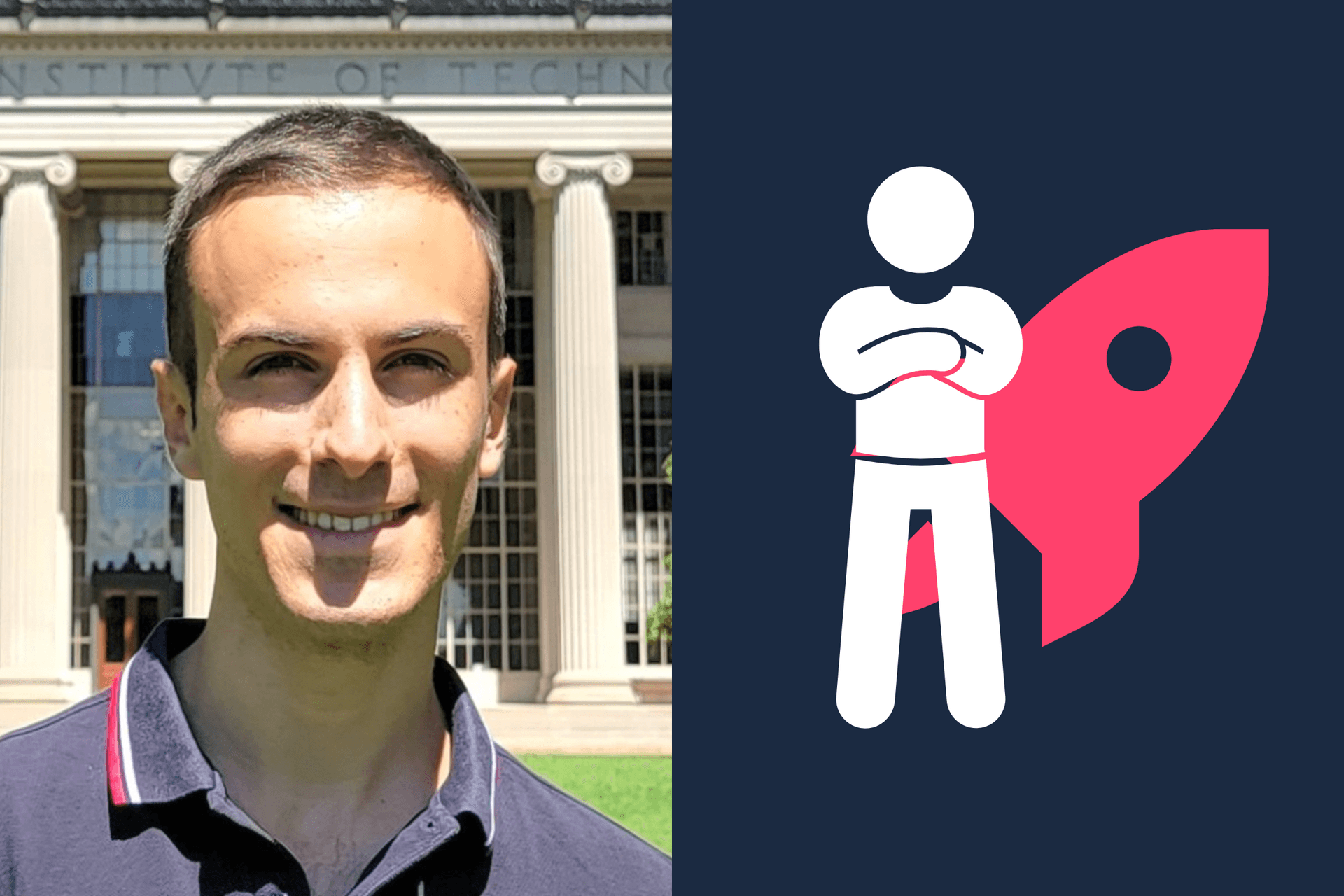
This article covers Boltz, a biotech startup, which has closed a $110m series A funding round led by Bessemer Venture Partners to scale its computational molecular-design platform. The development aims to expand the startup's AI-driven tools to support small-molecule and protein discovery for pharmaceutical partners and discovery teams.
Boltz, a biotech startup founded by a group of MIT researchers in 2025, has closed a $110 million series A funding round led by Bessemer Venture Partners to scale its computational molecular-design platform. The raise — and partnerships with several large pharmaceutical companies — matters because it signals growing commercial traction for AI-driven drug discovery tools and fresh investor appetite for models that shift work from wet labs into computation.
Why it matters
Boltz is pitching a shift in how early-stage drug discovery is done: rather than relying primarily on time-consuming physical experiments, its models aim to identify small-molecule hits and design protein binders computationally. The company says its first proprietary models, BoltzMol-1 and BoltzProt-1, have already produced hits for a majority of the targets they tested, and that token usage on its platform has risen 50-fold since June. Those kinds of usage metrics and pharma partnerships suggest demand beyond pilot experiments and point to potential cost and time efficiency gains for discovery teams.
For the sector, the funding is another data point that investors are willing to back compute- and data-heavy approaches in biotech, a category that often requires large upfront capital for compute, curated datasets and regulatory-readiness later in the pipeline.
Inside the product
Boltz runs Boltz Lab, a platform launched in January that exposes its models to customers and automated agents. The company reports thousands of scientist sign-ups in the platform’s early weeks and says it now serves pharmaceutical, biotech and industrial companies. It lists partnerships with six of the world’s 20 largest pharma firms, including Pfizer, GSK, Takeda and Bristol Myers Squibb — partners that can provide both validation and real-world discovery programmes to stress-test the models.
BoltzMol-1 and BoltzProt-1 are presented as the first generation of proprietary models for small molecules and proteins respectively. According to Boltz, these models have shortened timelines for target validation and lead optimisation in internal use cases, and the firm plans to invest the new capital in more model development, compute capacity and curated data to improve molecule quality and throughput.
### Who's backing the round
Who are the investors?
Bessemer Venture Partners led the round and has added partners Andrew Hedin and Byron Deeter to Boltz’s investor group. Existing backers including Andreessen Horowitz, Amplify Partners, Zetta Venture Partners and Obvious Ventures participated and reportedly increased their commitments. New investors named by the company include Greycroft, F-Prime Capital, Hummingbird and Benchling.
The composition of the syndicate mixes generalist and specialist venture firms with investors that have experience in both AI and life sciences. Benchling’s participation is notable as a strategic signal: the company sells laboratory informatics software and could be positioned as a commercial partner that understands lab workflows and data integration. Firms such as Zetta and a16z have publicly backed AI-first approaches to biology before, so their continued support underscores investor belief in model-driven discovery as a viable route to new therapeutics.
If you're researching potential backers in this space:
- Explore our list of biotech venture capital firms in the UK
- Browse our directory of biotech angel investors in the UK
Founder perspective
Boltz frames the round as validation of its founding hypothesis: that AI can move a larger share of molecular discovery from benches to computation. The team says it has grown from a small MIT research group to 40 staff across AI research, engineering and life sciences in just over a year, and that the new capital will be used to expand compute and data resources, meet partner demand and hire additional scientists and engineers.
The company positions its models and platform as accessible tools for scientists across discovery workflows, from target validation to lead optimisation, and indicates more advanced models are in development to improve molecule quality and relevance.
The bigger picture
The Boltz round fits into a broader pattern of investment in computational drug discovery and model-first biotech companies. Large pharma partnerships, like those Boltz reports, are becoming an important route to commercial validation for startups offering software or model platforms. The deal also highlights the capital intensity of this approach: advancing model capabilities typically requires substantial compute budgets and curated biological data.
For UK and European biotech startups and investors, the announcement is a reminder of the competitive, global nature of AI-driven drug discovery. UK biotech investors have shown growing interest in computational discovery platforms, and closer collaboration between software, data and wet-lab partners will be crucial for European players seeking to replicate the traction seen in the US.
They've invested in Boltz
Get to know these biotech investors
| Investors | Investment Focus | Startup Investments | Round Size | Connect |
|---|---|---|---|---|
 Bessemer Venture Partners( ) San Francisco, US  | ||||
 a16z( ) This venture capital firm focuses on sectors such as AI, Bio + Health, Consumer,... San Francisco, US | ||||
 Amplify Partners( ) , US | Generalist | No funding stage information available | ||
 Zetta Venture Partners( ) San Francisco, US | ||||
 Greycroft( ) NYC, US | Mobile AppAI | Series BGrowth | ||
 F Prime Capital( ) Cambridge, US | ||||
 Hummingbird( ) This venture capital firm is a global seed investor focused on backing outlier f... London  | ||||
| All investors | All investor sectors | All funded startups | All funding rounds |
Click here for a full list of 7,589+ startup investors in the UK